
Why Every Factory Needs a Digital Twin in 2026
Explore the transformative potential of digital twins in manufacturing, and discover why every factory will need one by 2026.
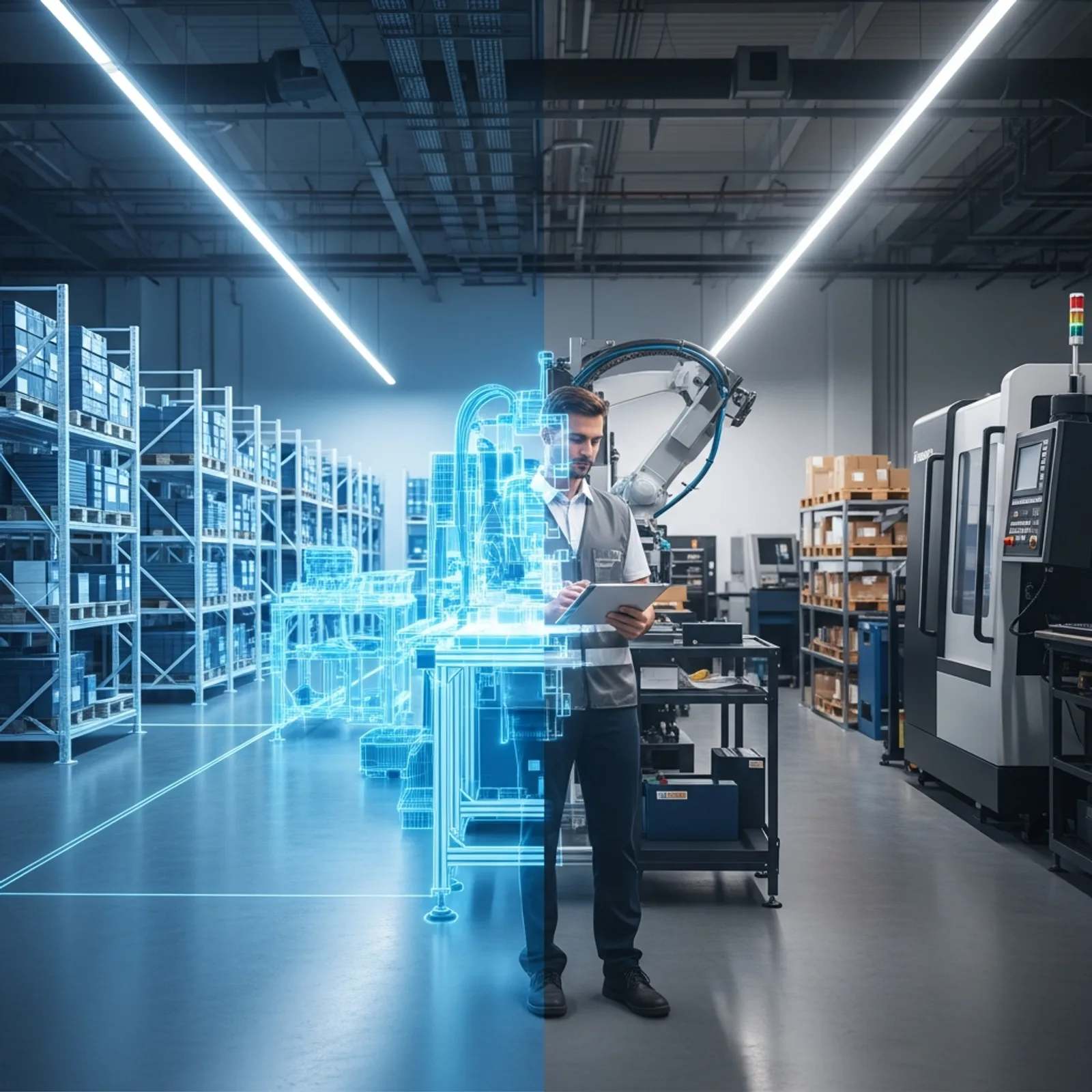
The manufacturing landscape is undergoing a seismic shift, propelled by advancements in technology and an unrelenting demand for enhanced efficiency, agility, and resilience. At the forefront of this transformation is the digital twin – a technology poised to redefine factory operations. By 2026, embracing digital twins will transition from a visionary strategy to a fundamental necessity for factories aiming to maintain a competitive edge and thrive in an increasingly complex market.
A digital twin serves as a virtual replica of a physical asset, system, or process, meticulously crafted using data from sensors, simulations, and diverse sources. This virtual representation empowers manufacturers to monitor, analyze, and optimize operations in real-time, unlocking substantial improvements in productivity, quality, and cost-effectiveness. As digital twin technology matures and becomes more accessible, its adoption is projected to surge, solidifying its status as an indispensable tool for future-oriented factories.
This article delves into the compelling reasons why digital twins will be indispensable for every factory by 2026. We will explore the myriad benefits they offer, the challenges they address, and how they are reshaping the manufacturing landscape. From revolutionizing decision-making processes to enabling predictive maintenance and fostering sustainable practices, the transformative power of digital twins will be thoroughly examined.
The Rise of Digital Twins: A Paradigm Shift in Manufacturing
The integration of digital twins represents a paradigm shift in manufacturing, moving beyond traditional methods to embrace data-driven insights and virtual simulations. This shift is fueled by several key factors:
- Increasing Complexity: Modern manufacturing processes are becoming increasingly complex, involving intricate systems and interconnected operations. Digital twins provide a holistic view, enabling manufacturers to manage this complexity effectively.
- Demand for Efficiency: The pressure to optimize operations, reduce costs, and improve productivity is relentless. Digital twins offer the tools and insights needed to achieve these goals.
- Technological Advancements: The convergence of technologies such as IoT, AI, and cloud computing has made digital twins more accessible and affordable than ever before.
- Sustainability Imperatives: The growing emphasis on sustainability is driving manufacturers to seek innovative solutions for reducing waste, optimizing energy consumption, and minimizing their environmental impact. Digital twins offer a pathway to achieve these objectives.
As these factors intensify, the adoption of digital twins will accelerate, making them a cornerstone of modern manufacturing.
The 10 Pillars of Digital Twin Adoption in Manufacturing
1. Revolutionizing Decision-Making with Real-Time Insights
Digital twins provide manufacturers with a consolidated, real-time view of their operations. By aggregating data from diverse sources, these virtual replicas empower decision-makers with actionable insights. Manufacturers can simulate different scenarios, assess the potential impact of various actions, and make data-driven decisions that optimize processes, mitigate risks, and enhance overall performance. This capability is crucial in today's dynamic market, where factories must adapt swiftly to fluctuating conditions and evolving customer demands. The ability to foresee potential challenges and proactively adjust strategies gives manufacturers a significant competitive advantage.
2. Predictive Maintenance: Minimizing Downtime, Maximizing Uptime
One of the most compelling advantages of digital twins lies in their ability to forecast equipment failures and schedule maintenance proactively. By analyzing sensor data and simulation results, digital twins can detect patterns and anomalies indicative of impending issues. This predictive maintenance capability enables manufacturers to take preemptive measures, preventing breakdowns, extending equipment lifecycles, and reducing maintenance expenses. The resulting cost savings and operational efficiencies are substantial, contributing to a more resilient and profitable manufacturing operation.
3. Streamlining Production Processes for Peak Efficiency
Digital twins enable manufacturers to fine-tune their production processes by simulating various scenarios and pinpointing bottlenecks. By analyzing data from diverse sources, these virtual replicas facilitate process optimization, improving throughput, and minimizing waste. This leads to heightened productivity, reduced costs, and superior product quality. Digital twins empower manufacturers to achieve operational excellence by continuously refining their production workflows and adapting to changing demands.
4. Fostering Collaboration: Breaking Down Silos, Building Synergy
Digital twins serve as a collaborative platform, uniting disparate teams and departments within a factory. By providing a shared, comprehensive view of operations, these virtual replicas foster seamless communication, efficient information sharing, and coordinated efforts. This enhanced collaboration promotes faster problem-solving, improved decision-making, and enhanced overall performance. Digital twins break down traditional silos, fostering a culture of synergy and collective achievement.
5. Accelerating Time to Market: From Concept to Creation with Unprecedented Speed
Digital twins significantly accelerate the product development lifecycle by enabling manufacturers to simulate and test new designs in a virtual environment. By identifying potential issues early in the process, these virtual replicas reduce the need for physical prototyping and testing, saving both time and resources. This accelerated time to market enables manufacturers to respond swiftly to evolving customer demands, gain a competitive edge, and capture new market opportunities.
6. Cost Reduction: Optimizing Resources, Minimizing Expenses
Digital twins drive cost reduction by optimizing operations, enabling predictive maintenance, and minimizing waste. By analyzing data from various sources, these virtual replicas identify areas where expenses can be curtailed, leading to significant savings over time. This cost-consciousness is crucial in today's competitive market, where factories must operate with maximum efficiency to maintain profitability. Digital twins empower manufacturers to achieve leaner, more sustainable operations.
7. Elevating Quality: Precision and Consistency in Every Product
Digital twins empower manufacturers to enhance product quality by monitoring and controlling production processes in real-time. By analyzing data from sensors and simulations, these virtual replicas can detect potential quality issues and implement corrective actions before defects occur. This proactive approach leads to heightened customer satisfaction, reduced warranty costs, and a strengthened brand reputation. Digital twins enable manufacturers to deliver consistently high-quality products, building trust and loyalty with their customers.
8. Enhancing Safety: Creating a Secure and Healthy Workplace
Digital twins contribute to a safer factory environment by simulating various scenarios and identifying potential hazards. By analyzing data from sensors and simulations, these virtual replicas enable manufacturers to create safer working conditions, reduce accidents, and protect their employees. This emphasis on safety is paramount in today's regulatory landscape, where factories must adhere to stringent safety standards. Digital twins help manufacturers create a secure and healthy workplace for their employees.
9. Cultivating Agility: Adapting to Change with Speed and Precision
Digital twins empower manufacturers to respond swiftly to shifting market dynamics and evolving customer demands. By simulating different scenarios and assessing the potential impact of various actions, these virtual replicas enable manufacturers to make informed decisions and adapt their operations accordingly. This agility is crucial in today's fast-paced and competitive environment, where factories must be able to seize new opportunities and overcome unforeseen challenges. Digital twins provide the adaptability needed to thrive in a constantly changing world.
10. Promoting Sustainability: Minimizing Environmental Impact, Maximizing Resource Efficiency
Digital twins facilitate sustainability by optimizing energy consumption, minimizing waste, and reducing environmental impact. By analyzing data from diverse sources, these virtual replicas identify areas where sustainability can be enhanced, leading to significant environmental benefits and cost savings. This commitment to sustainability is increasingly important in today's world, where consumers and regulators demand environmentally responsible practices. Digital twins empower manufacturers to operate in a more sustainable and ethical manner.
Case Study: Digital Twin Implementation at a Leading Automotive Manufacturer
A leading automotive manufacturer implemented a digital twin solution to optimize its production processes and improve overall efficiency. The digital twin encompassed the entire manufacturing facility, including equipment, processes, and workflows. By integrating data from various sources, the manufacturer gained a comprehensive view of its operations and identified several key areas for improvement.
Results
- Predictive Maintenance: The digital twin enabled the manufacturer to predict equipment failures with 90% accuracy, reducing downtime by 25% and maintenance costs by 15%.
- Process Optimization: By simulating different scenarios, the manufacturer optimized its production processes, increasing throughput by 10% and reducing waste by 8%.
- Collaboration: The digital twin facilitated collaboration among different teams, leading to faster problem-solving and improved decision-making.
This case study demonstrates the transformative potential of digital twins in manufacturing. By providing real-time insights, enabling predictive maintenance, and streamlining processes, digital twins empower manufacturers to achieve operational excellence and gain a competitive edge.
The Road Ahead: Embracing the Digital Twin Revolution
As we move closer to 2026, the adoption of digital twins will accelerate, transforming the manufacturing landscape and reshaping the future of factories. Manufacturers who embrace this technology will be well-positioned to thrive in an increasingly competitive and complex market. By leveraging the power of digital twins, they can optimize their operations, reduce costs, improve quality, enhance safety, and drive sustainability.
The journey towards digital twin adoption requires a strategic approach, encompassing the following key steps:
- Assessment: Evaluate your current operations and identify areas where digital twins can provide the greatest value.
- Planning: Develop a comprehensive digital twin implementation plan, outlining your goals, objectives, and resource requirements.
- Implementation: Deploy the necessary hardware, software, and infrastructure to create your digital twin.
- Integration: Integrate your digital twin with existing systems and processes.
- Optimization: Continuously monitor, analyze, and optimize your digital twin to maximize its benefits.
By taking these steps, manufacturers can unlock the transformative potential of digital twins and embark on a journey towards manufacturing excellence. The future of manufacturing is digital, and the digital twin is the key to unlocking that future.