Manufacturing Standards Quality Explained: ISO 9001, ISO 13485, IATF 16949, AS9100, FDA QMSR & More
A complete guide to manufacturing quality standards including ISO 9001, ISO 13485, IATF 16949, AS9100 and the FDA QMSR. Understand the ISO 9001 2026 changes and how to keep your QMS audit ready.

Every manufacturer lives inside a web of quality standards. Some are voluntary badges that open doors with customers. Others are legal requirements that decide whether you can sell at all. Most factories end up holding more than one, because a single supplier might serve automotive, aerospace, and medical customers at the same time, each with its own framework and its own auditor. Understanding how these standards relate to one another is no longer a nice to have. It is the difference between a quality system that runs smoothly and one that drowns in duplicated paperwork.
This guide is your map. It explains the major manufacturing quality standards in plain language, shows how they connect, and points to what is changing right now. And a great deal is changing. The most important shift on the horizon is the ISO 9001 revision, so understanding the ISO 9001 2026 changes matters for almost every certified manufacturer, because nearly all of these frameworks are built on the ISO 9001 foundation. Whether you run a manufacturing quality management system today or you are mapping out your first certification, this is where the landscape comes into focus.
The Foundation: How Manufacturing Quality Standards Relate
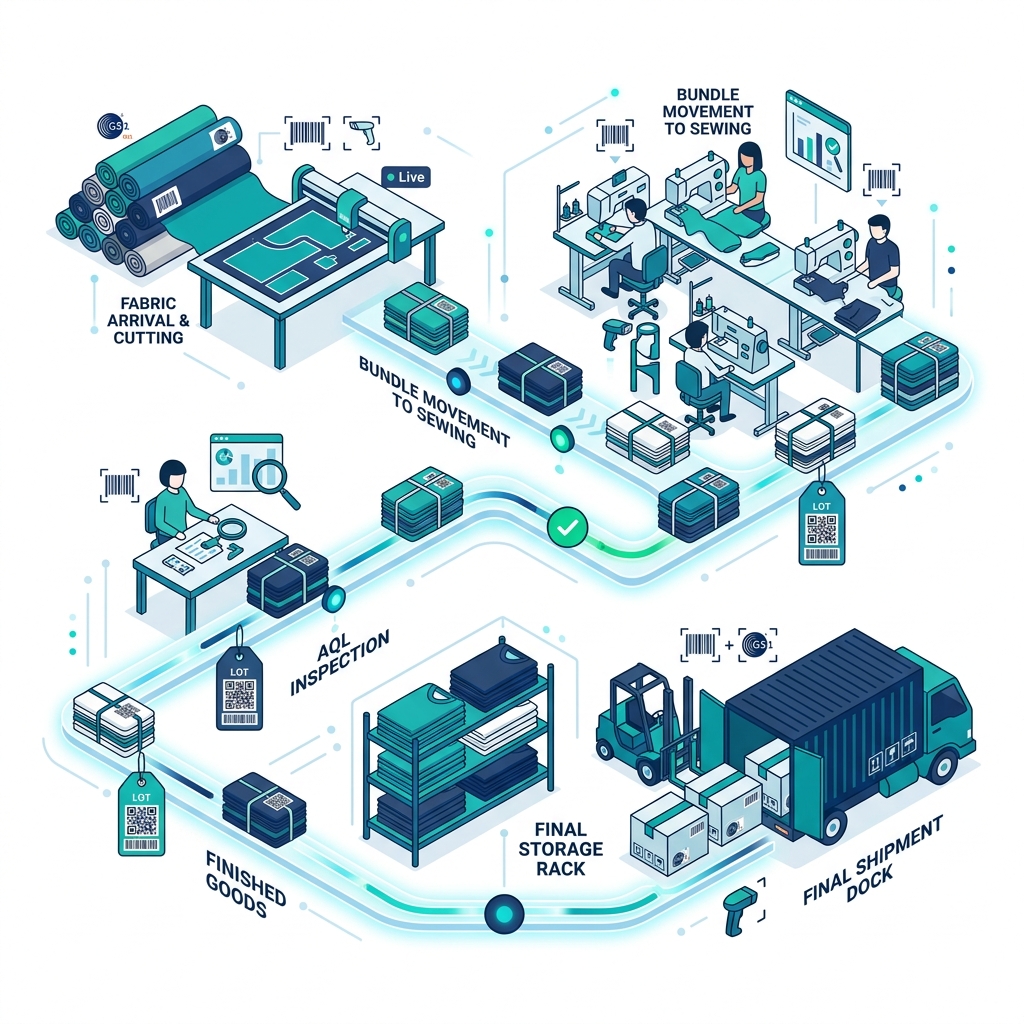
Before diving into individual standards, it helps to understand the architecture. Most modern quality standards share a common ancestor and a common shape. The International Organization for Standardization built ISO 9001 as the universal quality management system standard, and over the years industries with specialized needs took that foundation and added their own requirements on top. Automotive added supply chain and core tool requirements. Aerospace added configuration management and counterfeit part controls. Medical devices added regulatory and risk requirements. The base stayed recognizable underneath. This shared structure is why the ISO standards manufacturing landscape feels coherent rather than chaotic once you see it. Most of these frameworks use the same high level structure, known as Annex SL, which means clauses line up across standards and help ensure consistency across manufacturing processes. A company certified to several standards can run one integrated system rather than several disconnected ones. That matters because international standards are used across various industries, so a common structure has real practical value. That is exactly the kind of operational clarity a connected quality platform is built to deliver, and it is why the ISO 9001 revision ripples outward to so many other standards at once.
ISO 9001: The Universal Quality Management Standard
ISO 9001 is the most widely adopted quality management system standard in the world, with over a million certificates issued across virtually every industry. It does not tell you how to make your product. Instead it sets out how to run a system that consistently delivers products and services meeting customer and regulatory requirements, supports product quality, and helps meet customer expectations. The standard is built around a process approach, risk based thinking, strong leadership involvement, a commitment to continual improvement, and standardized processes. If you only ever learn one quality standard, this is the one, because it underpins almost all the others. ISO 9001 also supports quality assurance and quality control for ensuring quality, customer satisfaction, and operational efficiency.
The ISO 9001 2026 Changes You Need to Know
The current edition, ISO 9001:2015, has held the field for over a decade. That era is ending. A new revision is on the way, and it is the most significant development in the quality standards world right now. The Draft International Standard was released in August 2025 and approved by ISO member bodies with a strong majority, and the Final Draft has since followed. Publication is expected in the second half of 2026, with most guidance pointing to the autumn.
The revision is evolutionary rather than revolutionary. The core framework, the process approach, and the ten clause structure all stay intact, so a well built system does not need rebuilding. What changes is the emphasis. The headline addition is an explicit requirement for top management to promote and demonstrate a quality culture and ethical behavior throughout the organization, with new guidance in Annex A on how to evidence it in practice. The revision also reinforces risk and opportunity management, tightens the requirements around changes to the quality management system, carries forward climate change as a contextual consideration, and substantially reworks the informative Annex A that explains how to interpret the standard.Once published, organizations get a three year transition period, putting the practical deadline around late 2029. Existing 2015 certificates stay valid throughout that window, so there is no need to panic, but every reason to plan early. For a deeper breakdown of the timeline and a step by step transition plan, our dedicated guide to the ISO 9001 2026 changes walks through exactly what to do. The shortest path through any transition is keeping your documentation, gap analysis, and audit evidence inside a single centralized quality system.
ISO 13485 and the FDA QMSR: Medical Device Quality
Medical device manufacturers operate under the strictest quality expectations of any sector, because the cost of a failure is measured in patient harm. ISO 13485 is the dedicated quality management system standard for medical devices, helping protect consumers by supporting high quality products in this highly regulated context. It shares DNA with ISO 9001 but adds heavy emphasis on regulatory requirements, risk management across the entire product lifecycle, design controls, product performance, and rigorous documentation. It is also the basis for the Medical Device Single Audit Program, which lets a single audit satisfy multiple national regulators. Medical device manufacturers also need documented controls over raw materials and employee training to maintain compliance.
The FDA QMSR Transition
The biggest recent change in medical device quality is the FDA Quality Management System Regulation, or QMSR. For decades, US device makers followed the FDA Quality System Regulation under 21 CFR Part 820. That has now changed. The QMSR final rule became effective on February 2, 2026, and it incorporates ISO 13485:2016 directly by reference into Part 820. In practical terms, the international standard now carries the force of US law for finished device manufacturers.
This harmonization is a major step toward aligning US expectations with the rest of the world, but it comes with sharper teeth. The FDA has updated its inspection approach, retiring the old Quality System Inspection Technique. Inspectors can now examine internal audit reports, supplier audit reports, and management review minutes, areas that were largely off limits before. The clear message is that risk based decision making must be evidenced throughout the quality system, not just within design controls, with documented controls that address operational risks and help mitigate risks. ISO 13485 certification alone does not equal QMSR compliance, because the FDA layers its own specific provisions on top.
This updated inspection model also makes regulatory compliance and documented traceability increasingly important.
For device manufacturers, the QMSR transition rewards a system that captures decisions, links them to risk, and keeps audit ready records at all times. Being able to prove traceability and produce documented corrective actions on demand is exactly what the new inspection model expects.
IATF 16949: Automotive Quality
IATF 16949 is the global quality management system standard for the automotive sector, developed by the International Automotive Task Force. It’s built on ISO 9001 and adds the core tools such as APQP, PPAP, FMEA, SPC, and MSA plus requirements around traceability, product safety and defect prevention. For most automotive suppliers, certification is not optional, it’s a condition of doing business with the big 3.
Two things are changing the automotive quality landscape. First, the IATF Rules 6th Edition for IATF 16949, which is tailored to the automotive industry, took effect on January 1, 2025. These rules didn’t change the technical requirements of the standard itself but changed how audits are conducted, including tighter audit time caps and scheduling rules. Second, a full revision of IATF 16949 is underway. It’s expected to follow the ISO 9001 publication, with most projections pointing to 2027. The revised standard will align with the new ISO 9001 and sharpen its focus on software quality, supply chain resilience, supplier controls, production controls, technical specifications, and safety requirements, reflecting the rise of software defined and connected vehicles. It also helps organizations meet customer expectations through defect prevention and process discipline.
Automotive suppliers have a layered transition: new audit rules already in force and a revised standard on the way that will track the ISO 9001 changes. A quality system that helps teams minimize deviations and address nonconformances with a clear documented trail makes both far less painful.
AS9100 and IA9100: Aerospace and Defense Quality
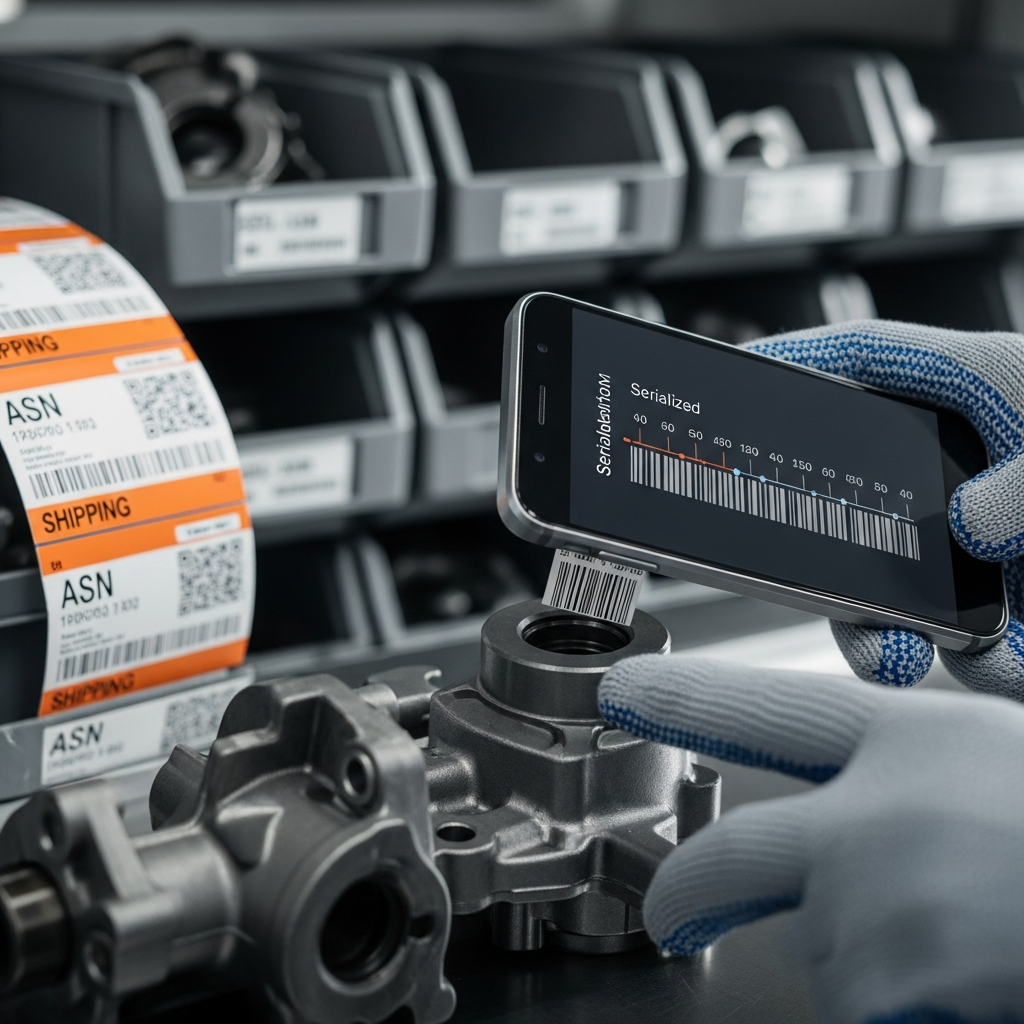
AS9100 is the quality management system standard for the aerospace, space and defense industries. Like the others it’s built on ISO 9001 and then adds the requirements that aerospace demands: rigorous configuration management, product safety, counterfeit part prevention and risk management for systems where failure is catastrophic. It’s maintained as part of a family of standards used worldwide by aerospace primes and their suppliers.
Aerospace is in the middle of its own evolution. The standard is transitioning to a new generation, sometimes referred to as IA9100, that will align with the ISO 9001 revision and modernize supplier management and digital assurance. The aerospace clauses around product safety, configuration management and counterfeit parts will be preserved but supplier quality agreements will incorporate new expectations around cybersecurity and export control. Aerospace organizations should plan to map their current controls against the ISO 9001 drafts and prepare for a coordinated transition rather than treating it as a standalone event.

Why These Standards Are Aligning Now
It’s no coincidence that ISO 9001, IATF 16949 and the aerospace standards are all revising at the same time. Because the industry specific standards are derived from ISO 9001, a change to the foundation pulls the others along behind it. The result is a wave of updates over the next few years all pointing in the same direction: stronger risk management, greater supply chain resilience, more digital and data driven assurance across information technology and information security, and rising expectations around culture, ethics and cybersecurity.
Standards development is also being coordinated by global experts to reduce overlap and improve cohesion across frameworks.
For manufacturers the practical takeaway is that this is the time to think about your quality system as a whole not standard by standard. The organizations that come through the next few years well will be the ones that built a single connected system that can satisfy multiple frameworks instead of a separate binder for each auditor. The duplication tax on the binder approach gets heavier with every new revision.
How QualityReady Helps You Manage Multiple Standards
Having multiple quality standards is fundamentally a problem of visibility and documentation for manufacturing companies managing multiple manufacturing standards across the manufacturing industry. You need to know where you stand against each framework, keep your procedures current as standards revise and produce evidence on demand when an auditor arrives. That’s exactly what QualityReady is built for. The platform gives manufacturing teams a single clear view of their operations so audit and inspection preparation becomes a steady state not a periodic scramble regardless of which standard the auditor represents.
Because your procedures, records and corrective actions live in one connected system not scattered across drives and binders updating for a revision like the ISO 9001 2026 edition is controlled and traceable, with protections for sensitive information supported by an information security management system. The same records that demonstrate quality culture for an ISO 9001 auditor also support QMSR risk evidence for the FDA and traceability for an automotive customer. You maintain one system and let it serve many frameworks.
QualityReady also works alongside the systems you already run, integrating with your existing ERP, inventory and accounting tools not forcing a rip and replace while supporting stronger data management and service management. To see how a connected system simplifies managing multiple manufacturing quality standards under one roof request a QualityReady demo and walk through it with your own processes in mind.
Building a Quality System for What’s Next
The world of manufacturing quality standards is more connected and more dynamic than ever. ISO 9001 is the foundation and the changes coming with its 2026 edition will shape the industry specific standards on top of it for years. The FDA QMSR has already made an international standard into US law. Automotive and aerospace are revising in step. The common thread running through all of it is a push towards integrated, risk aware, well documented quality systems that can adapt as the standards evolve.
The world of manufacturing quality standards is more connected across industries and increasingly shaped by international standards. Manufacturers who treat these changes as an opportunity to consolidate and modernize rather than a series of separate fire drills will spend less time on paperwork, improve efficiency, reduce waste, unlock cost savings, support increased profitability, and build a competitive advantage through a better system. This kind of modernization is an ongoing process for manufacturers. To see how QualityReady keeps your quality management system audit ready across every standard you hold explore the QualityReady platform or book a demo today.